BRAKING AIDS® Ride 2025: I’m Still Showing Up to Fight

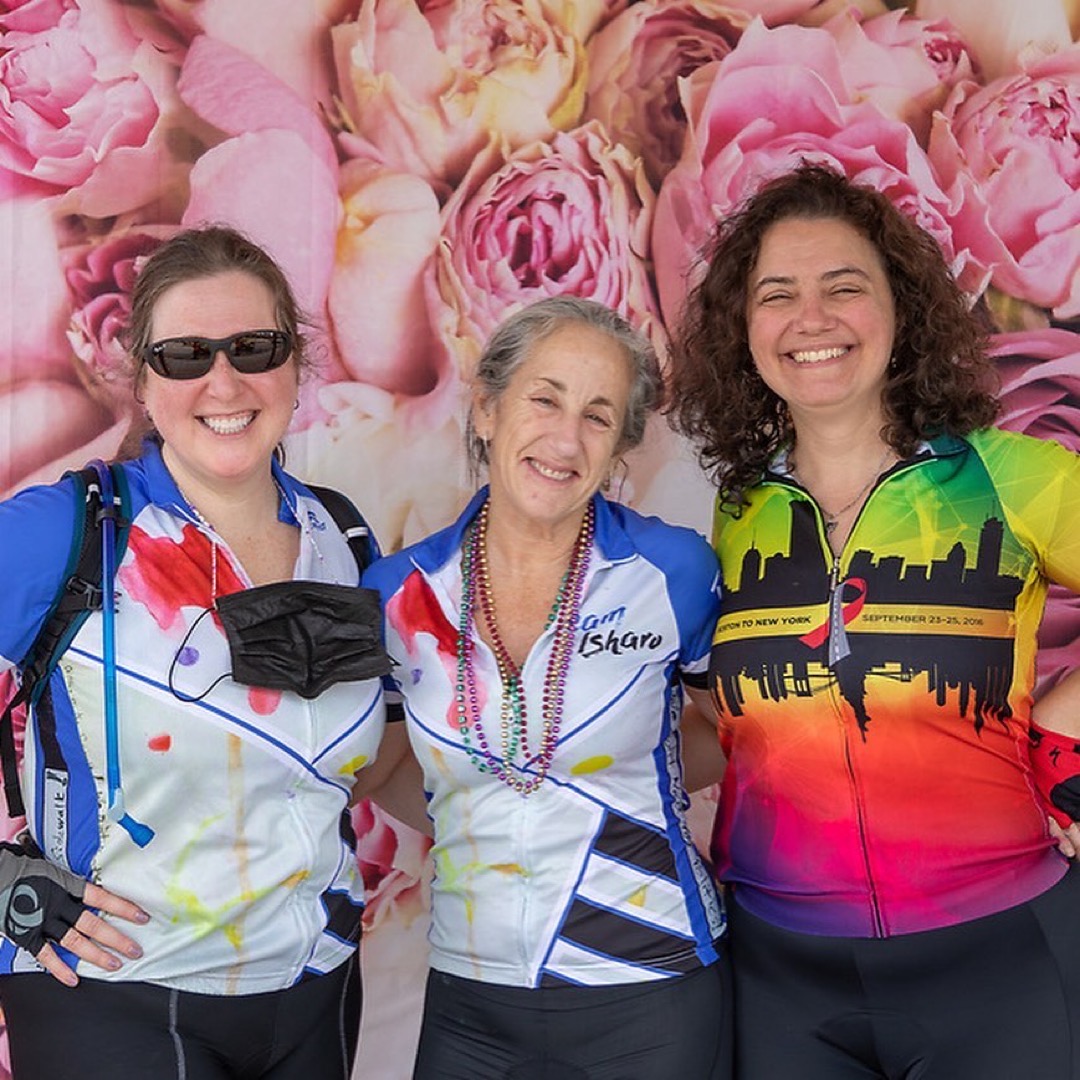
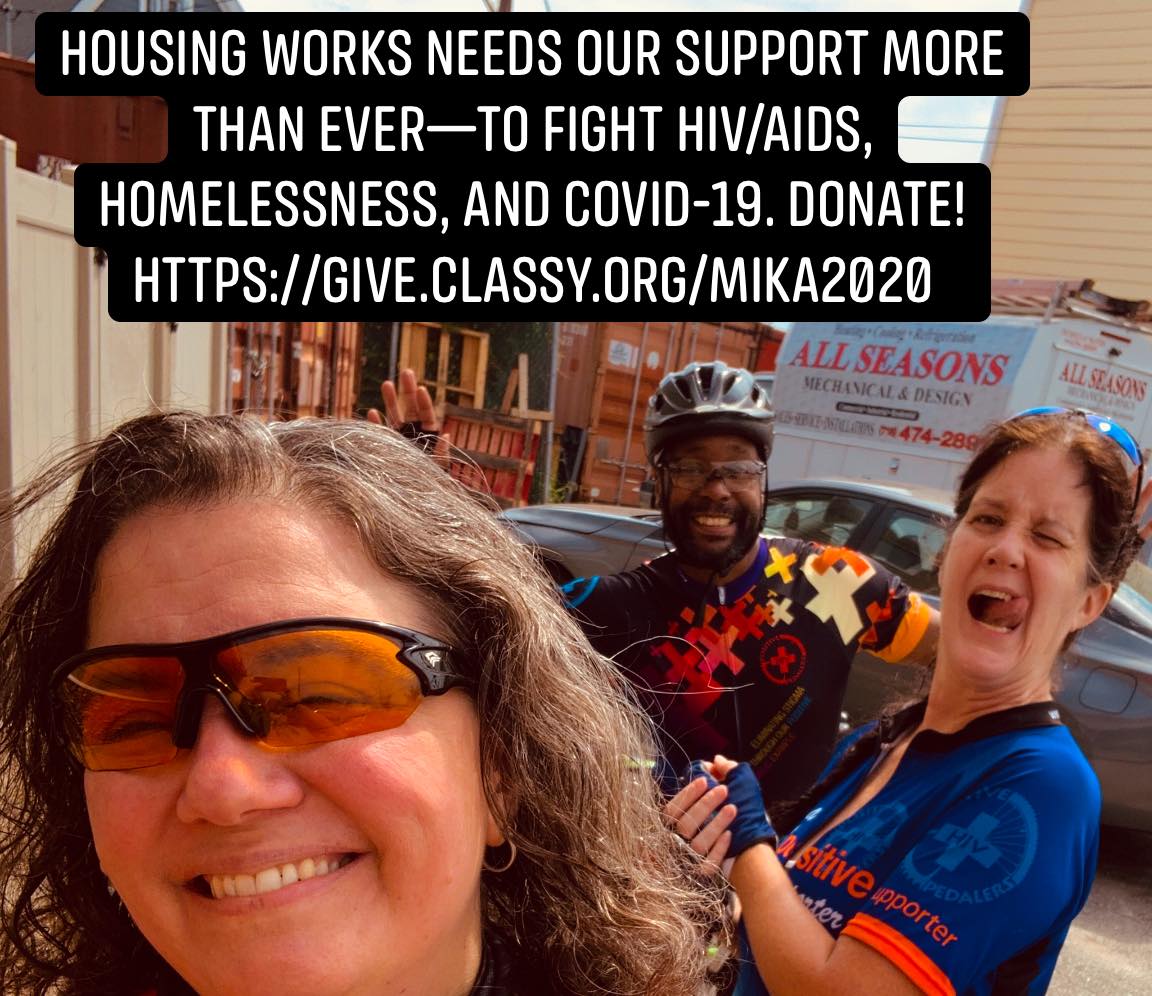
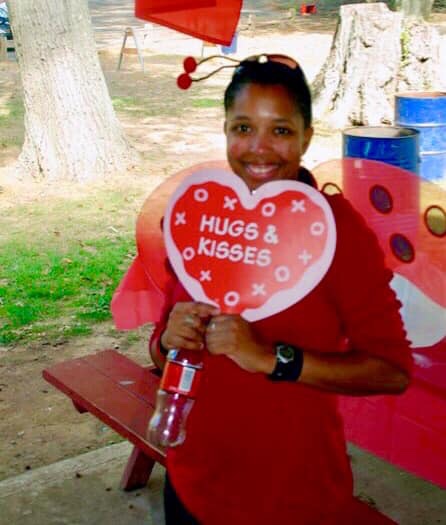
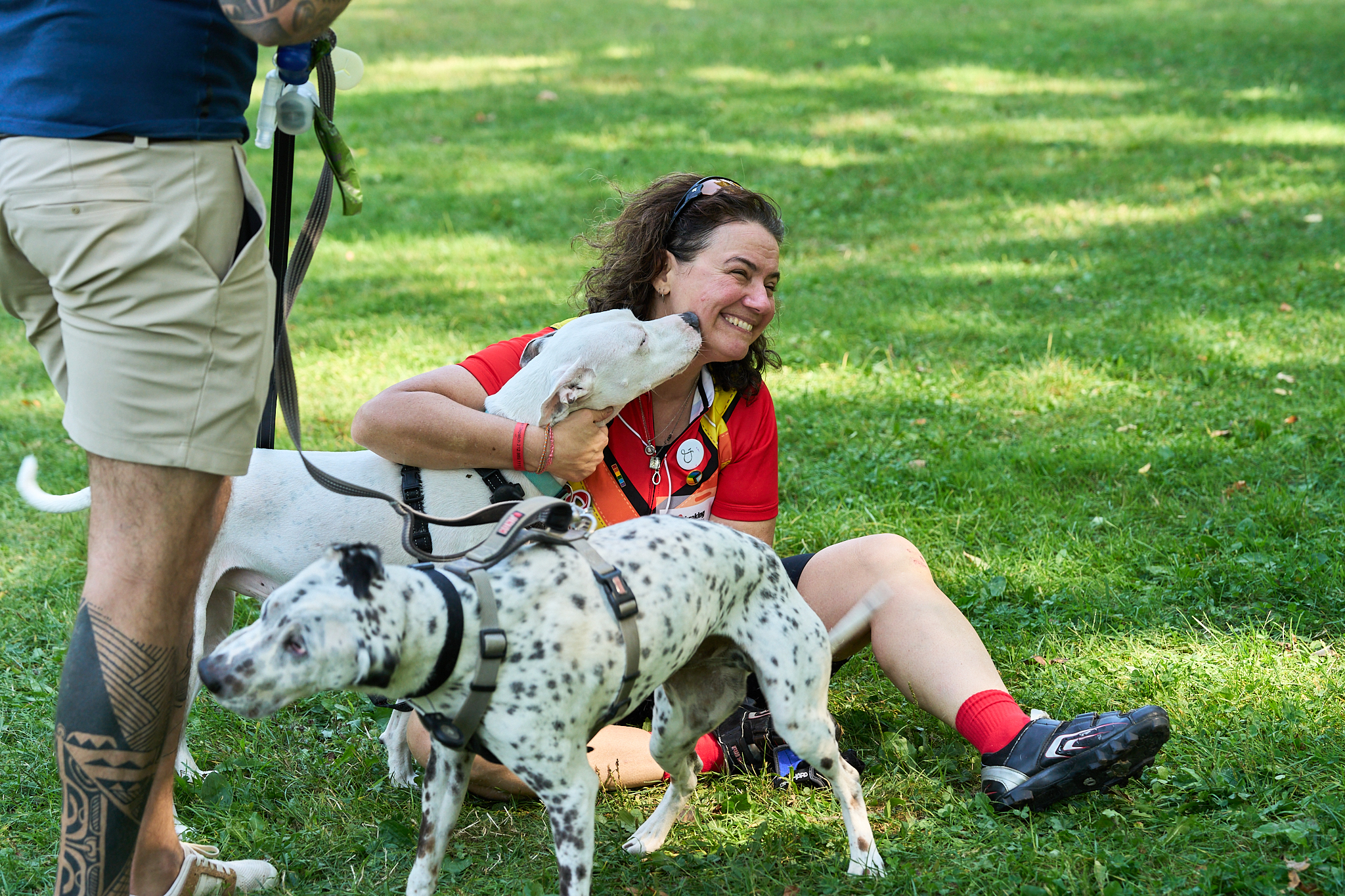
My favorite cheerleaders at an oasis during BRAKING AIDS RIde 2024

It’s late August. BRAKING AIDS® Ride is coming up in two and a half weeks, and I’ll be riding my bicycle, The Blue Streak, from Philadelphia to NYC in support of Housing Works. With your help, I’ll raise at least $20,000 again this year, and as a bonus, I’ll also exceed the $300,000 milestone on my individual fundraising for this cause over the last 17 years.

If you’re a past supporter and having a TL;DR moment, here’s the donation link to help me get there: give.classy.org/mika2025.  Donations of all sizes are welcome, but a gift of $250 or more is especially helpful and will go a long way toward helping me reach my $20,000 fundraising goal. If a donation isn’t feasible, sharing this blogpost with 5 or 6 people in your network would be fantastic.
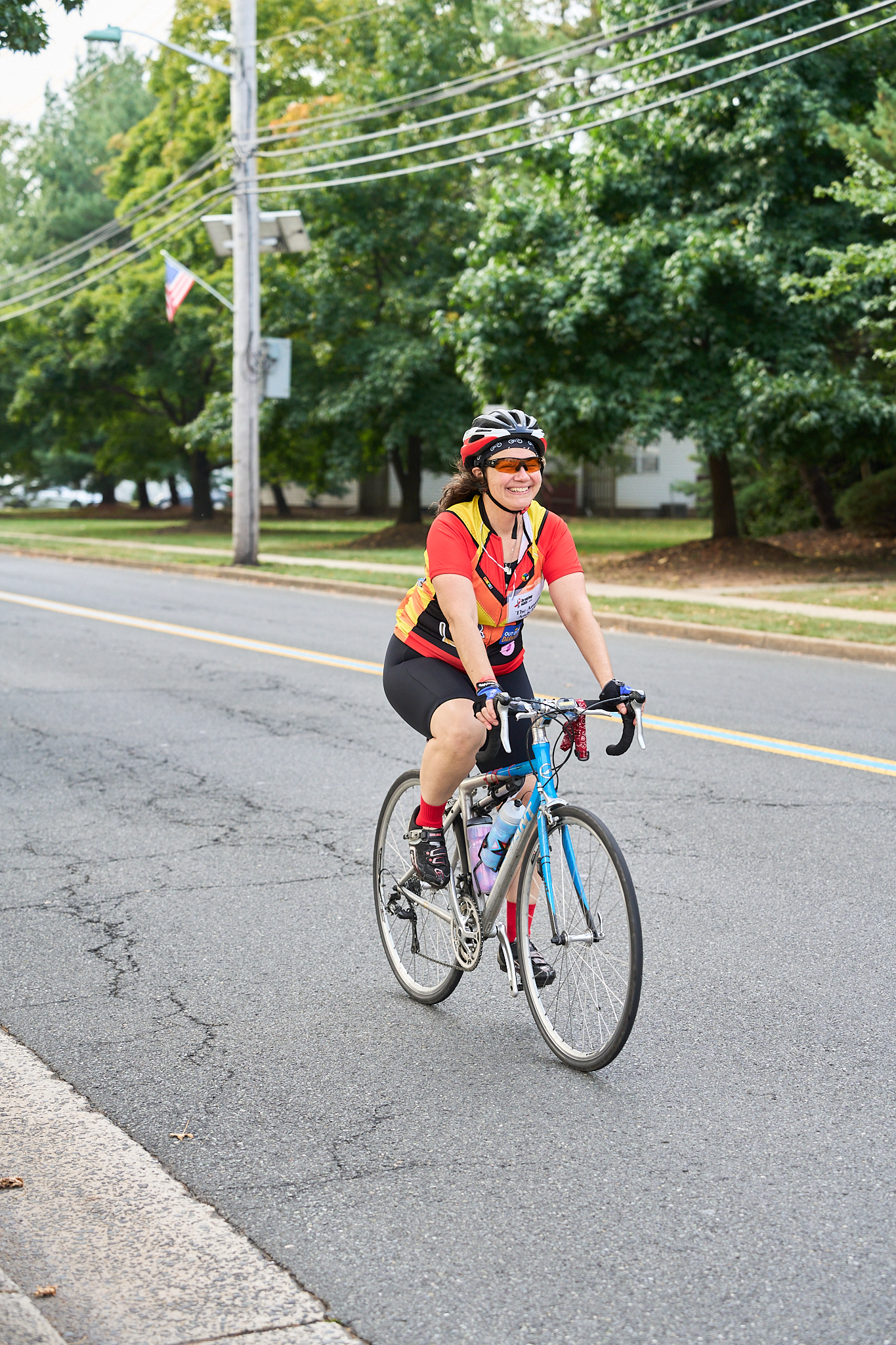
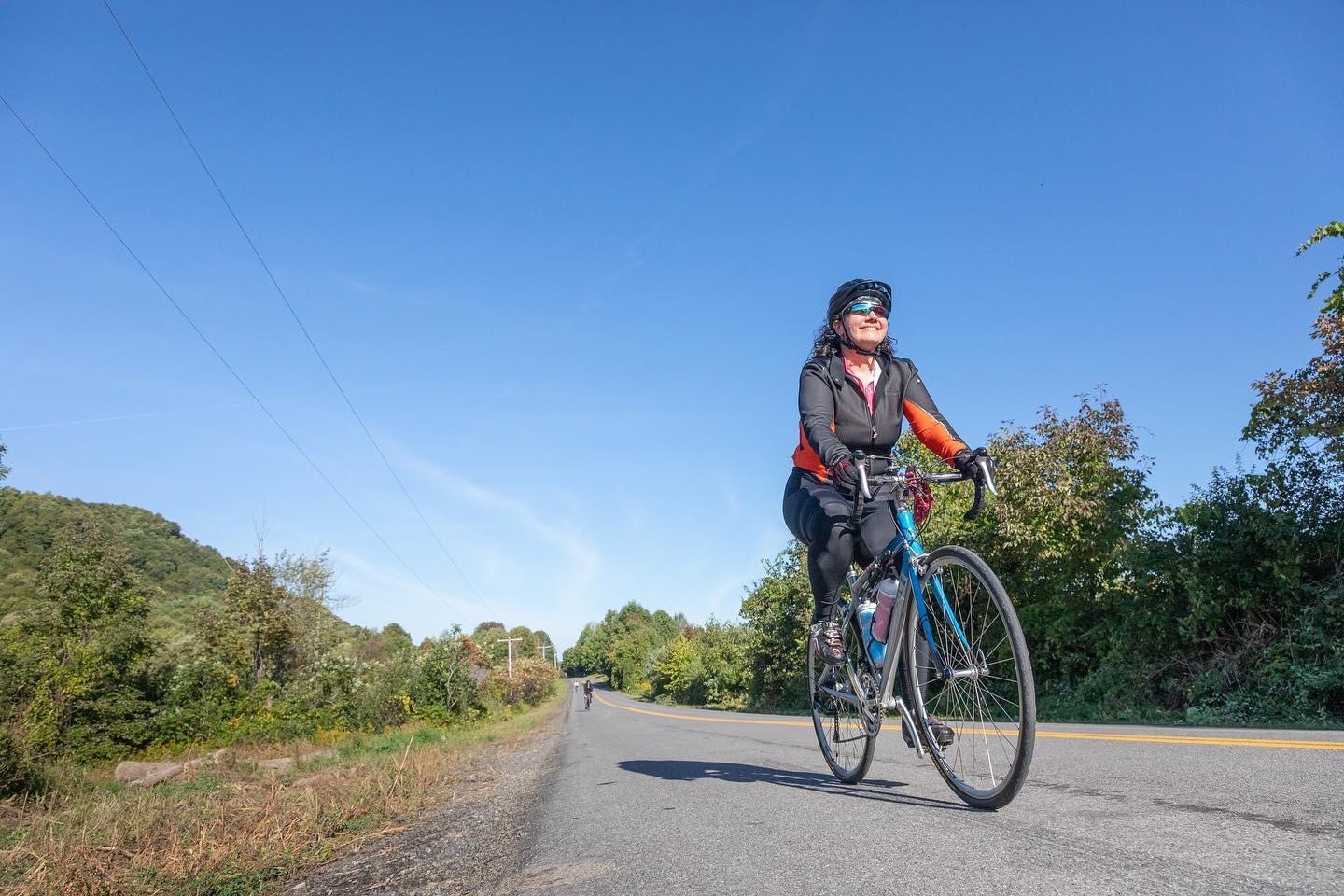
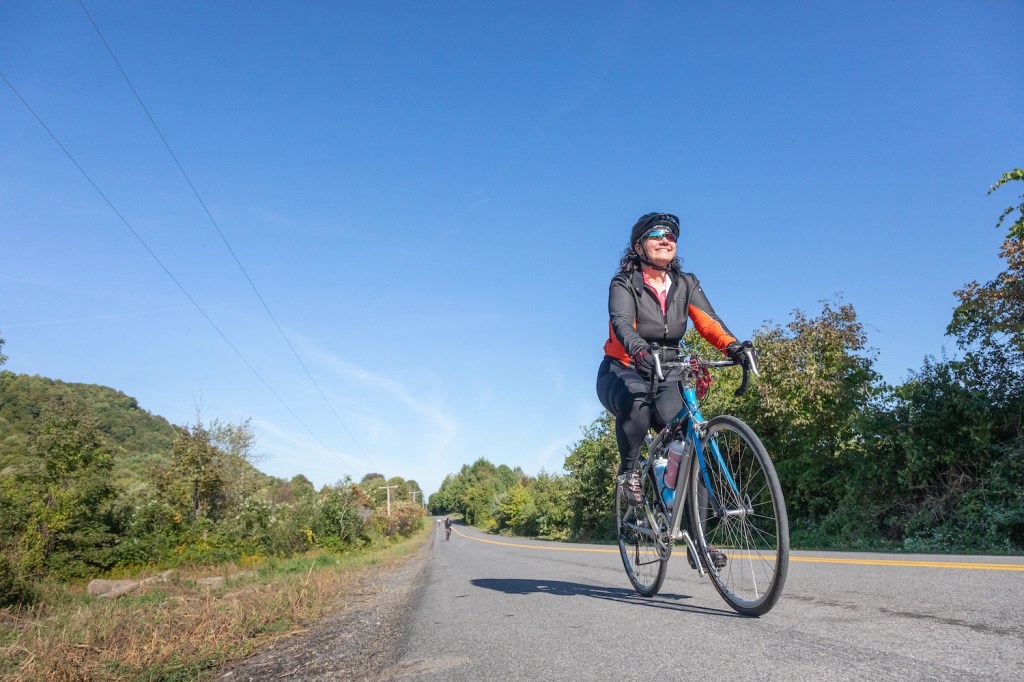
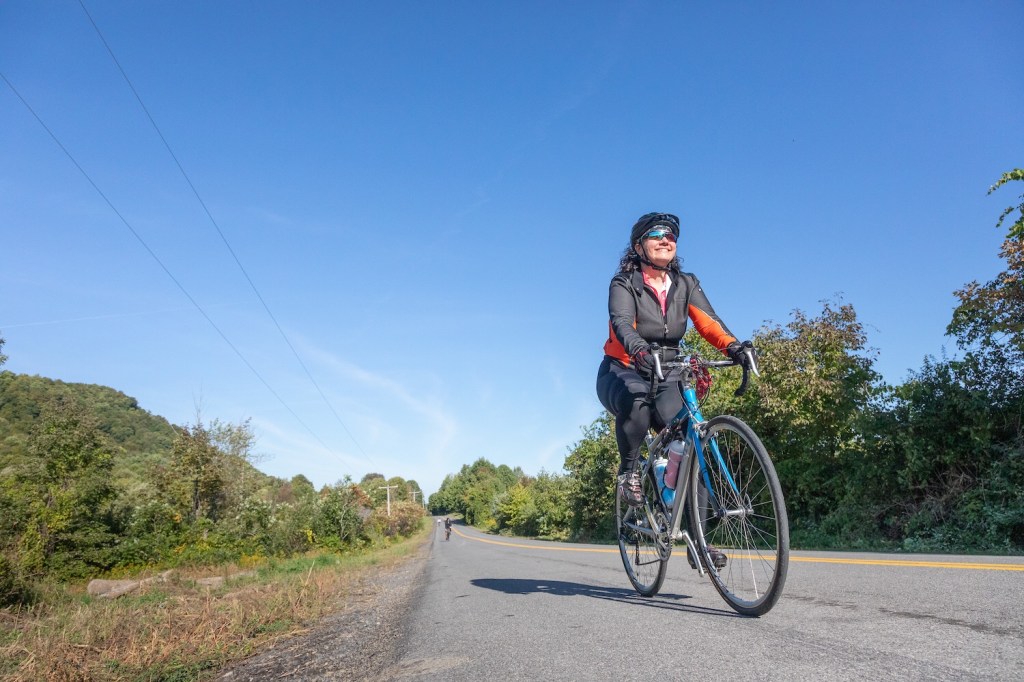
Me in my happy place, BRAKING AIDS Ride 2024

Otherwise, here’s what I can share about BRAKING AIDS® Ride 2025:

It’s Okay to Not Be Okay—and Still Show Up To Fight

I’ve gotten questions from some folks about whether I’d be riding this year. As many of my friends know, my job at a youth non-profit was among the casualties of federal funding cuts and other draconian political maneuvers. My partner was laid off a month later from their non-profit job under similar circumstances. We’re hardly the only ones. We hear about more mass layoffs every week.

It’s been one of the most challenging years of my life. I don’t have the wherewithal to be falsely stoic and say it’s fine. It’s not fine. I’m not fine. And yet.

At the same time that JL and I get up every day to look for work and to try to figure out how to boost our spirits and stretch our finances, I’m also keenly aware every minute of every day: We’re among the lucky. We’re safe. We have a roof over our heads, food, water, decent health, savings to live on for a while until we find work. So many people have no housing, no savings, no resources to fall back on, no sources of help and support.

We’re also barraged, terrified, outraged, exhausted each day by reports of war and suffering, by constant attacks on the human rights that should protect all of us. People who support fascist, autocratic thinking and beliefs have been here among us, all along, but they’re newly re-empowered by the bullies in power who are running what’s left of our democracy into the ground—and they know it. Even when I stop reading the headline horrors of the day, I see visible signs of that gleeful hatred everywhere, including my own Brooklyn neighborhood.

Even as I recognize these cataclysms for what they are, I am trying to stay mindful not to let those realities eclipse my own agency and the energy of our own collective power when we work together. Showing up for the struggle in the dark is what makes the dawning of all human progress possible. Just this morning, while slogging through job postings of all things, I re-encountered this timeless bit of Frederick Douglass’ wisdom on that very notion: 

“The whole history of the progress of human liberty shows that all concessions yet made to her august claims have been born of earnest struggle.”

Mr. Douglass had it right. The ACT UP AIDS activists of the early 1980s had it right, too. When it comes to defending your basic rights and the right to exist: Silence equals death. Silence amidst atrocities will not protect anyone.

We each have many choices about how we show up to fight each day. BRAKING AIDS Ride remains one of mine. I will ride and show up as best I can—because I can. Because showing up to fight the important fights is necessary, and this is what I can still do today.

Why Housing Works?

You already know from my past emails: Housing Works does EVERYHING an AIDS organization should do and then some—testing, prevention, and treatment; housing; full medical services; mental health; harm reduction; legal help; and job training and job placement. You have also heard me talk about their decades of advocacy both from within and outside the system. 

That last bit—the advocacy—is more vital than it’s ever been.

Housing Works is able to keep telling truth to power in ways many non-profits can’t because of innovations they invested in decades ago—launching creative revenue streams that secure long-term sustainability. Most non-profits rely heavily on government or corporate money for funding. Housing Works realized early on, during the 1990s Giuliani Administration, that to survive lean times and challenging political landscapes, they needed other independent revenue streams. That’s how the thrift stores, bookstore, and now the cannabis dispensaries came into being. These entrepreneurial businesses enable HW to be nimble and independent; to connect everyday retail consumers with their mission in unique ways; and to provide job opportunities for our community.

What’s more, their relentless advocacy works. The successes below are just two examples among many.

  • When the federal government tried to repeal the Affordable Care Act (ACA) during the first Trump administration, Housing Works fought back through civil disobedience—because none of the health outcomes for HIV and other chronic conditions are possible without affordable care. They won, and ACA remained.

I continue to support this organization and this cause because Housing Works goes where the important fights are and does what’s audacious and necessary. Years ahead of anyone else, they advocate for the innovations that then become commonsense best practices.Transgender rights and protections. Ending the AIDS epidemic plans. Harm reduction. Affordable care for all. And so much more.

Housing Works has shown up for what’s right for decades—and I trust them to show up for all the important fights ahead.

Please donate today! 

We’re all in this together.
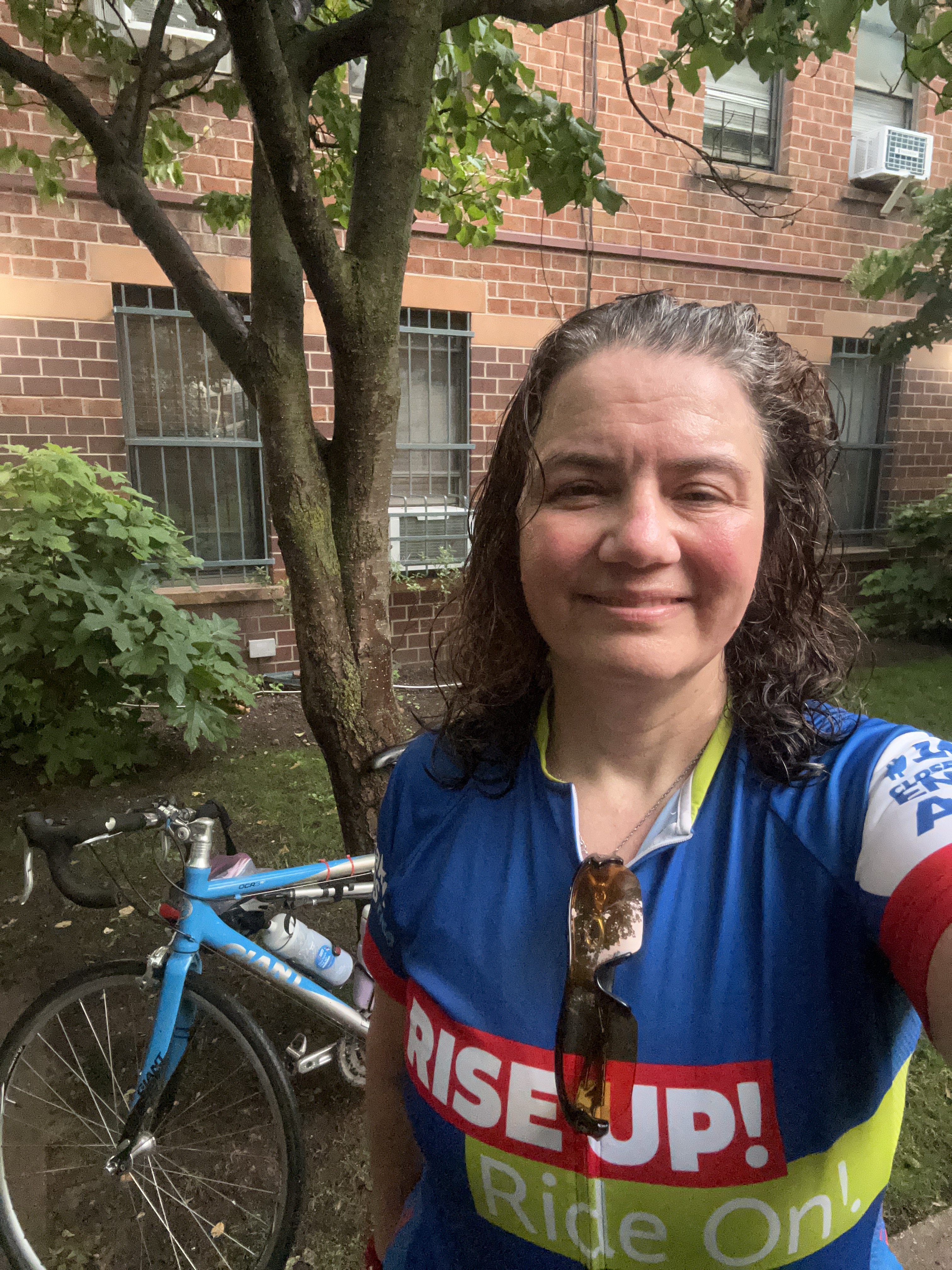
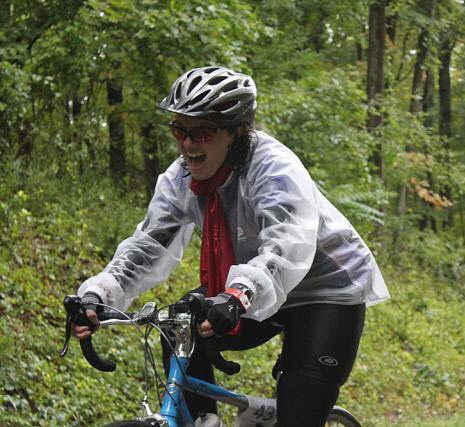
Me, after a training ride a few weeks ago. I got caught in a torrential thunderstorm on the way home.

Why BRAKING AIDS®, In Less Than 30 Seconds?

Join the BRAKING AIDS ® 2024 Movement!: Support Mika, The Blue Streak, and Housing Works

A rainy training ride last weekend.

It’s August. BRAKING AIDS® Ride is coming up in less than five weeks, and I’ll be riding my bicycle, The Blue Streak, from Philadelphia to NYC. The route is new, but my goals are the same: to raise awareness about HIV/AIDS and homelessness and to raise at least $20,000 to support Housing Works and its lifesaving services. 

I’ve been doing BRAKING AIDS® Ride since 2008, in memory of two family friends who died of AIDS-related illnesses—Dennis, who died in 1987, and Curtis, who died in 2003. In that time, I’ve raised $260,000, and with your help, I’ll hit $280,000 or more this year.

For anyone having a TL;DR moment, here’s the donation link to help me get there: https://give.classy.org/mika2024

For all you readers out there, here’s the rundown for BRAKING AIDS® Ride 2024:

Why Housing Works Again and Again

I keep showing up to support Housing Works because they provide transformative services to over 15,000 of the most vulnerable New Yorkers among us every single year—housing, job training, health care (including primary care, dental, and mental health, not only HIV-specific services), free legal help, substance use treatment, and more. I trust this organization to do what’s right, regardless of who is in the White House or in Congress and irrespective of what recent court-decision calamity has come down. Housing Works remains committed to social justice and advocacy andcontinues to fight for what’s crucial for those most in need. They’ve been fighting the fights that need fighting since their founding in 1990, and they’ll do it after election season has come and gone.

What Housing Works Has Been Up to in 2024


Here are some Housing Works initiatives from the past year:

  • Housing for justice-involved individuals, including three transitional hotels; resident access to case management, substance use treatment, harm reduction services, and primary care; help in finding permanent housing; and a broader advocacy campaign to shut down Riker’s Island
  • Rapid-response services to address the migrant crisis, such as two “City Sanctuary” hotels for migrant families with children; case management; and legal services to apply for asylum
  • Developing new housing—67 units for formerly homeless individuals (59 for people with HIV) and 44 low-income units in Hell’s Kitchen, and 22 supportive housing units and 17 low-income units on Pitkin Avenue in Brooklyn
  • Two new health care clinics, one in Hell’s Kitchen and one in East Harlem, for a total of six federally-qualified health centers (FQHCs) in Manhattan and Brooklyn
  • Piloting new, groundbreaking tools to end the AIDS epidemic—long-acting injectable antiretroviral medications, which enable patients to shift from taking a daily pill to receiving six injections per year to achieve treatment adherence and stay healthy
  • Advocacy for Overdose Prevention Centers, a cutting-edge model that saves lives and prevents HIV and Hepatitis C transmission

Please donate todayDonations of all sizes are welcome, but a gift of $250 or more is especially helpful and will go a long way toward helping me reach my $20,000 fundraising goal. (If you can cover the 4% processing fee so 100% of your gift goes to Housing Works, even better.) Please donate as much as you’re able, and together we’ll do our part to in the fight to end AIDS and homelessness.


Some info on what your gift funds:

$250—Pays for 50 hygiene kits for homeless youth, with daily essentials like soap, deodorant, and a pill-sized tablet cloth that expands into a towel when you add water

$600—Covers the cost for 50 rapid HIV tests

$750—Feeds 375 homeless youth during evening drop-in hours at Housing Works’ East New York Health Center

$1,000—Provides 1 month of supportive housing for HIV-positive individuals

$2,000—Completely outfits 7 new single-unit apartments with household items

$3,500—Funds a bus and stipends to send 54 advocates to Albany

$5,000—Funds a bus and stipends to send 54 advocates to Washington, DC, and provides bail money for 10 advocates to take an arrest for civil disobedience

DONATE VIA MY FUNDRAISING PAGE: https://give.classy.org/mika2024

Thank you for your ongoing support and for being a part of my BRAKING AIDS® journey.

VIDEO: BRAKING AIDS® Ride 2022, opening ceremony remarks


BRAKING AIDS® Ride 2022 took place yesterday, and I was reminded again of all the reasons it’s always one of my favorite weekends of the year. I had the privilege of being asked to give some brief remarks at the opening ceremony kicking off the ride . My dear ride husband and fellow rider Clay Williams recorded and shared it via Facebook live (thank you, Clay), so I’m able to share it here. Below the video is a written transcript of the full speech.


Good morning,

The first person I knew who had AIDS was my mom’s childhood friend Dennis. Dennis, like my mom, came from an immigrant family, and was like an uncle to me. When he and my mom got together, the air thrummed with laughter and loud yakking in Romanian.

Those gatherings were infrequent because Dennis’ job as a journalist had him jumping from one global political hotspot to the next. But then he’d breeze into town and spark a jam session of multiple languages, dancing, eating, drinking. His laugh was a high-pitched cackle, one that would turn your head to see who had made that sound.

He confided to my mom that he was bisexual, but she believed he was gay. Regardless, his sexuality was a secret. And then, in early 1987 Dennis got sick and he stopped globetrotting. He died in December, and his NY Times obituary led with a common lie: “Dennis A. Volman, a reporter for The Christian Science Monitor, died of cancer Monday at the Mount Sinai Medical Center. He was 37 years old and lived in Washington.”

Dennis died a horrific death of physical agony from AIDS. If he had a partner, he took that secret with him. Only Dennis knew how much his soul suffered from shame and fear. I can only imagine it made a difficult dying process far lonelier.

This next bit I’ve never shared publicly. In 2012, I launched a blog about the ride, and I wrote an entry about Dennis. The blog’s main audience is my network, so imagine my surprise in 2013 to get emails from two strangers. One was a former girlfriend of Dennis’ who found the blog through a google search; she shared the post with the other stranger, an old friend of Dennis’s mom. They each emailed me to debate the historical record: Dennis had died of pneumonia while battling cancer. And why did I think Dennis was gay? The family friend was especially insistent it couldn’t have been homosexuality or AIDS. She cited his affairs with women, his poor health in childhood, his chronic pain from a back injury. From these women, I learned that Dennis had kept his illness secret, too. Only his nearest and dearest heard he was sick with “cancer” shortly before he died.

Our email exchanges ended quickly in a stalemate, but they unnerved me enough to ask my mom how she knew Dennis had AIDS. Apparently, she saw he had KS lesions when she visited him in the hospital.

I don’t judge Dennis for keeping secrets. Homophobia and AIDS stigma were prevalent enough that those choices may have protected him, whatever emotional price he paid. But by 2013, he’d been dead for over 25 years. His parents were dead. He had no children. No siblings. How had stigma, fear, and homophobia re-emerged, overshadowing sense and reason, when those lies protected no one anymore?

So why share this fucking heartbreaker of a story?

Because the shadow side of people’s humanity isn’t the only story. That is never the only story. Seeds of social justice were being planted even then. While Dennis was dying in March 1987, the first meeting of ACT UP was held in the West Village. Three years later, Housing Works was founded out of ACT UP’s housing committee. Both organizations demanded action from a government that ignored AIDS for years. These fiery activists didn’t wait for a grand utopian future; they acted with courage in a seemingly hopeless present, defying the cruelty and ignorance around them. They used civil disobedience to demand better drugs today, not tomorrow. They won those fights and saved countless lives.

Today the fight goes beyond medication; it’s a social justice battle—fighting the racism, homophobia, transphobia, and misogyny that fuel the AIDS epidemic in spite of our medical progress. For over 30 years, Housing Works has fought for social justice, anchored by this belief: that whether we are dying or healthy or somewhere in between, all human beings are deserving of housing, food, healthcare, and basic dignity and respect. Whether it’s AIDS, homelessness, the opioid crisis, COVID-19, or the next challenge, I trust Housing Works to lead with compassion, doing what needs to be done.

All of you are full of those same passions. The same courage, kindness, fierceness. The same miraculous blend of love, laughter, grief, and audacity. I see it every time Beth mentions Ira; when Clay passes me on a hill, again; when I see Cheyenne’s dazzling smile; when Amelia or Amy shouts something lewd at me on the road; when Linda envelopes me in a hug; when Wendy makes a bacon joke; when I see Jim stopping on the road to tell someone why we’re riding and when they say, “I don’t know anyone with HIV or AIDS,” he says, “yes, you do. I live with HIV.” What I see all around me is love—and I see it in every one of you.

These stories, our stories, are worth writing, sharing, expanding, and retelling. We come together on this ride to commemorate our dead and honor our best selves by showing up for those in need, and for one another. This ride is citizenry of the highest order. We have been writing that narrative together as a ride family for years, and the time I spend here with all of you every year heals my own soul on its darkest days. So let’s go write the next chapter.

VIDEO: BRAKING AIDS® Ride thoughts, gratitude, a story & hopefully a little inspiration

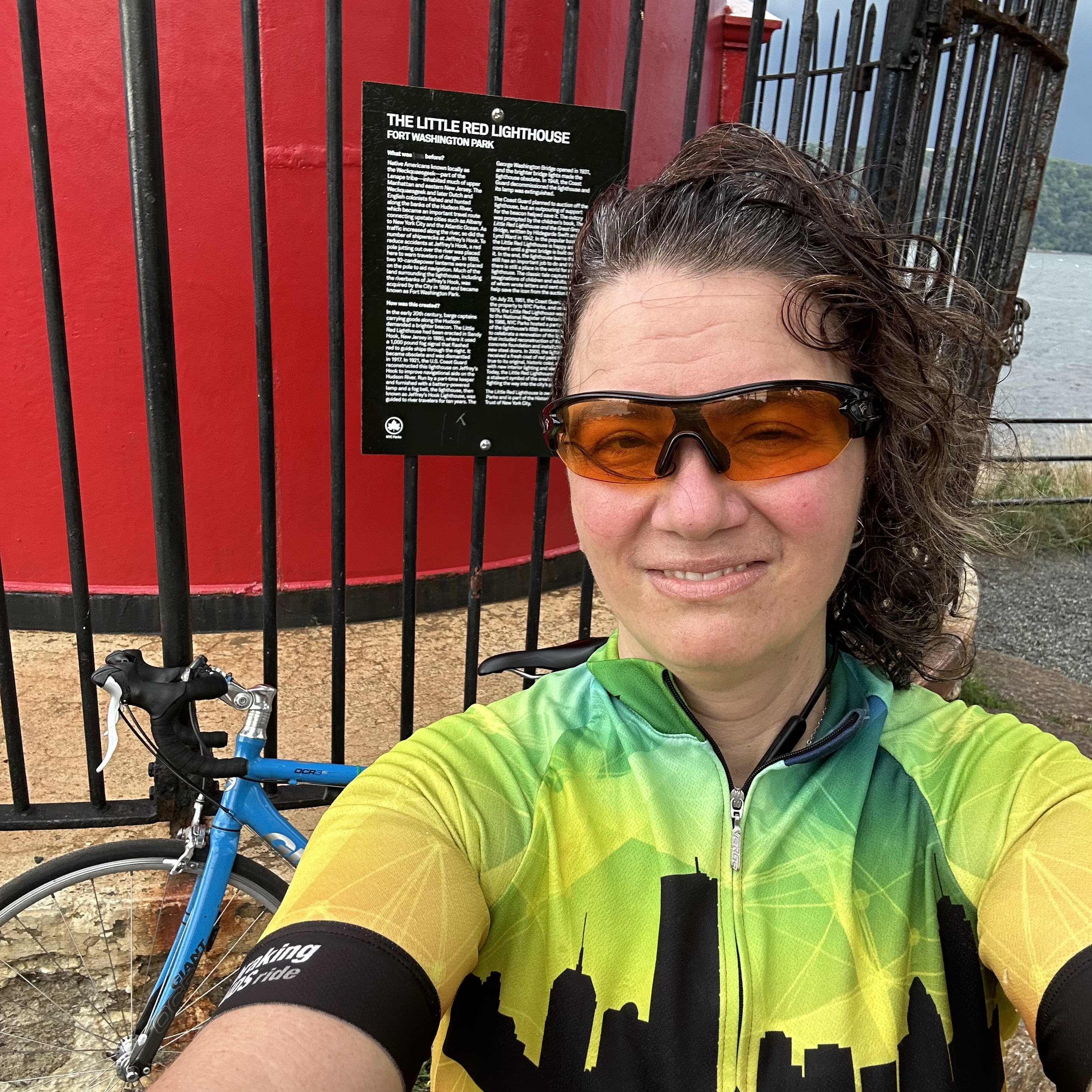
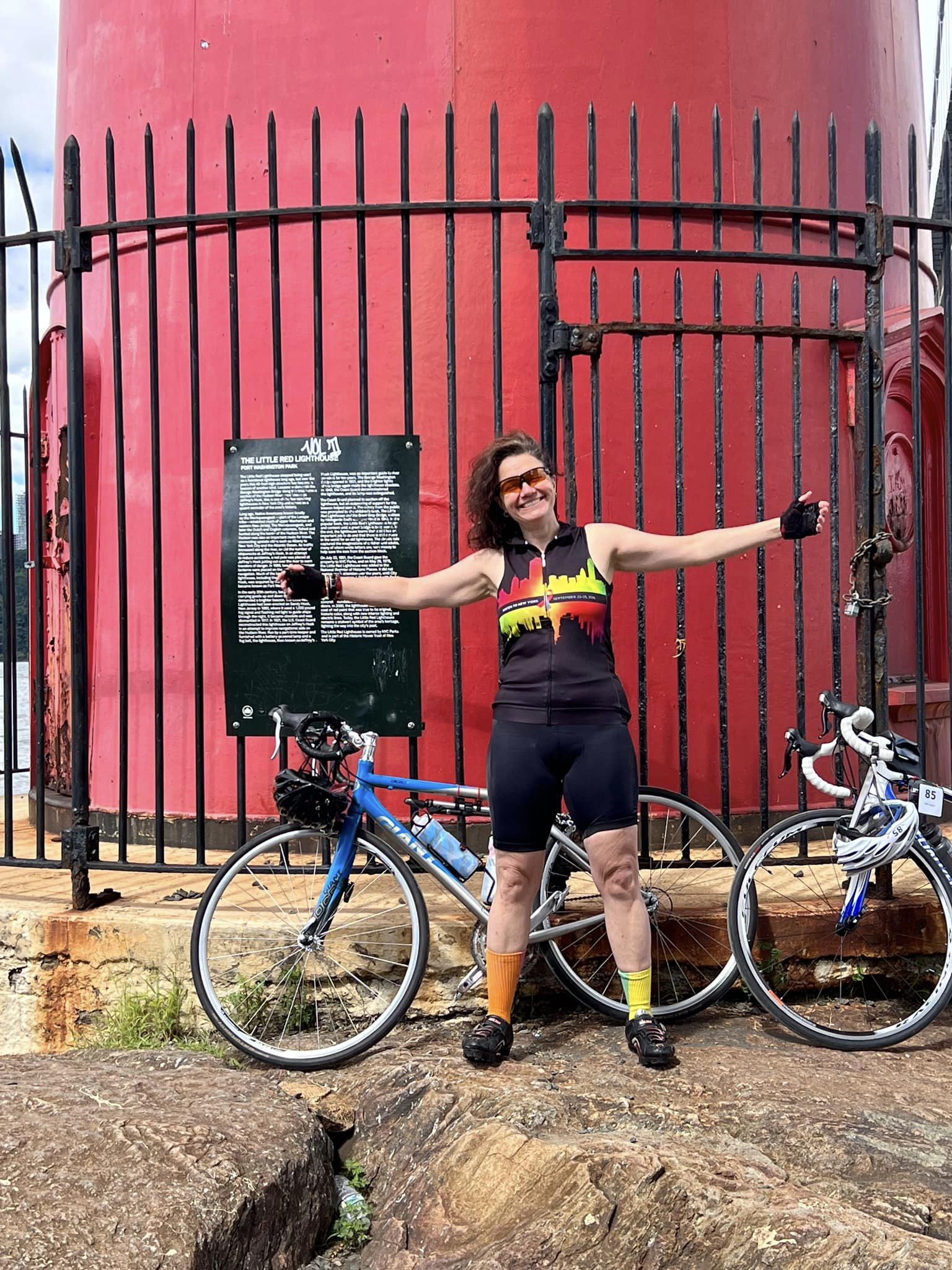
At the Little Red Lighthouse under the George Washington Bridge, during an August 14, 2022, training ride. Photo by Beth Shapiro.

I shared the video below last Saturday on social media—one of my favorite stories from when I worked at Housing Works, the BRAKING AIDS® ride beneficiary, and I’m only just getting around to posting it here now. My hope is that it lends some new insight into what’s special about Housing Works as an organization, as well as some inspiration for these lifelong journeys in pursuit of greater social justice, particularly when those roads feel long and rough.

As of this writing, thanks to 120 supporters and counting, I’ve raised 45% of my fundraising goal and am still aiming to reach my audacious $50,000 target in support of Housing Works and the fight to end AIDS and homelessness.

PLEASE DONATE TODAY, and LATHER, RINSE, REPEAT!

Me talking about Housing Works and HIV/AIDS progress in The Amazing Garden, Red Hook, Brooklyn, August 27, 2022.

An important correction and follow-up about language (mine, in this case) :

Well into the video above I try to say something about a statistic—69 individuals with HIV transmitted via injection drug use (IDU)—and underscore that the small size of that group could fit into a Housing Works conference room. In my haste to make that point about data and HIV progress, I end up referring to the statistic—69 IDU-transmitted infections—rather than the human beings, in effect verbally conflating the two. That kind of shorthand happens all the time, and I want to call attention to it here as a mistake on my part. My apologies. I should have said “69 people living with HIV who acquired it through injection drug use,” or something along those lines.

If this language distinction seems like hair splitting, it isn’t: In point of fact we all ought to avoid that same kind of mistake when talking about people living with HIV or any other infectious disease for that matter. The language we use matters. It’s reductive and dehumanizing to frame people only in terms of a disease they live with. People are not mere vectors for disease and illness. People are multifaceted human beings with many rich aspects to their identities, and the language we use when we talk about people living with HIV should reflect that. I misspoke here and endeavor to do better. I decided to post the video with the mistake anyway rather than re-recording it because it was a chance to use my own error as a teaching moment. We all misspeak at times, saying thoughtless or insensitive things that can potentially hurt people or fuel stigma even if that isn’t our intention. The terms we use for racial and ethnic groups change over time; we discover we have been mispronouncing the non-English name of a close friend for years without knowing it; people we have known for decades change their names, pronouns, or both, and at times we may slip and use the words we’re more familiar with; some of us have trouble adjusting to “they/them” being used in multiple contexts, sometimes as a singular, gender-neutral pronoun, sometimes as a plural, gender-neutral pronoun. And on and on. Language is organic and evolving, and sometimes we struggle to evolve with it in our own speech patterns, and we make mistakes along the way. Life and progress calls upon us to rethink and relearn our own first language. The only way people get better about these language nuances is through practice, which is why it’s important to acknowledge when we’ve made a mistake and set an intention to do better next time. I made a mistake here and no doubt I will again—and that’s okay. Like everyone, I’m practicing. As I do, I get better, and the more likely that I’ll say it right next time.

Audacity has no age: BRAKING AIDS® Ride 2022, $50K for my 50th & a Timeline of Housing Works Milestones, 1990-present

L to R: Friends from the ride Beth Shapiro and Amy Danziger Tenenbaum and me, mugging for the camera during BRAKING AIDS® Ride 2002 :

In less than 40 days, I will be participating in BRAKING AIDS® Ride 2022, benefiting Housing Works, with an aim of raising $50,000 to support Housing Works’ mission to end AIDS and homelessness.

You read that right. 

As most of you know, I’ve been participating in this bike ride fundraiser since 2008, in memory of Dennis and Curtis, two family friends who died of AIDS-related illness in 1987 and 2003, respectively, and for many close friends who live with HIV. In recent years, I upped my fundraising goal significantly and thanks to hundreds of folks like you, I’ve raised $23,000 and $26,000 every year for the last three years running. Those fundraising results year after year represent a collective citizenry and good will—a steadfast, commitment from everyone in my social orbit to help make the world a more healing place for our communities, especially those in greatest need.

This year, I’m doubling down and asking everyone I know to help me raise $50K.

$50,000 for my 50th Birthday

I turn 50 in early December. My age each birthday is a number like any other, and 50 is no different. And yet, like my friends who are my age, I’m finding the imminent half-century marker is prompting greater introspection and reflection across all different parts of my life.

I try not to spend a lot of time contemplating my mortality. Death comes for us all eventually. Most of us have no control over when and how. In my experience, there’s little rhyme or reason, much less fairness, to the details of how those cards play out. What I do know for certain: Best-case scenario, if I’m lucky as hell and get to live a very long, well-lived and well-loved life into my 80s or 90s—hopefully keeping my marbles and with the anatomy plumbing still functioning—I’m already more than halfway through my time on this plane of existence.

At this point in my life, I know who and what I care about most, and I want to make the most of the time I have.

My network of friends, family, and colleagues hasn’t gotten significantly bigger. My personal pockets haven’t grown deeper. What has grown deeper is my willingness to believe in radical hope—to know in my core that when it comes to facing serious societal problems head on, audacity in the face of uncertainty and even amidst the grimmest realities has no downside.

I know what I’m asking for is a lot. I’m asking anyway.

DONATE VIA MY FUNDRAISING PAGE: https://give.classy.org/mika2022.

Donations of all sizes are welcome, but a gift of $250 or more will go a long way toward reaching my $50,000 goal and enabling Housing Works to do more of the amazing work they do. (For more on what a gift of $250 or more can fund, scroll down to the end of this post.)

Why now? Because audacity makes things happen—and audacity has no age.

I did my very first AIDS ride when I was a 26-year-old graduate student getting an MFA in creative writing. I had no money, no salaried, full-time job, no health insurance. My network of possible donors was small, scrappy, dedicated, and mostly youthful, but not affluent. I worked my tail off hounding everyone I knew. I trained on my bicycle in 90-degree heat, having never gone more than 50 or 60 miles. I raised somewhere between $4,000 and $5,000, more money than I could have conceived of raising and more than double my original goal. My biggest single donation came from a surprising source. Not family or a close friend. Not someone who was wealthy. It was someone I knew through work, a person of modest means who had for a number of years been homeless himself.

Nearly 25 years later, I’ve logged tens of thousands of miles on The Blue Streak, my bicycle, and with the help of hundreds of kind souls like you, I’ve raised over $170,000 and counting to end AIDS and homelessness.

The biggest lesson that first AIDS ride taught me:

To accomplish the extraordinary, you have to do something pretty ordinary—ask people for help and tell them why it matters. The trick is having to do that ordinary thing over and over again. You have to keep showing up, even when it feels tiresome. You ask *everyone* you can think of for help. And then ask again. There’s no downside to that audacity. You never know who will step up to join you.

Why supporting Housing Works specifically, now, is more crucial than ever:

Many people, myself included feel like the world as we know it is on fire, literally and figuratively, in almost every arena, which can make it hard to prioritize a focus. We may support many issues, but our day-to-day time is not infinite. So it’s worth taking a moment to reflect on where we give our time, energy, and financial support and why.

We’ve all spent the last two and a half years and counting under the shadow of a new pandemic, another infectious virus that doesn’t care if our elected officials make sound decisions in the name of public health. If COVID-19 has underscored anything, it’s what AIDS has already taught us over the last 40 years—that communicable disease thrives, above all else, in poverty, injustice, stigma, racism and all other forms of discrimination, hate, and seemingly benign neglect that’s complicit by virtue of silence and inaction.

I was drawn to Housing Works initially because of its holistic approach to its clients and its inclusive and welcoming environment. Most AIDS organizations focus on one or two core services and refer their clients to other agencies for other needs. Housing Works provides a range of integrated crucial programs—the key services clients need not only to survive but to thrive: housing, job training, health care (including primary care, dental, and mental health, not only HIV-specific services), free legal help, substance use treatment, and more. 

What makes Housing Works special, however, goes beyond its life-saving HIV/AIDS and housing services; it’s the intense commitment to social justice and compassionate care. Those guiding principles and values date back to Housing Works’ cultural roots beginning in the early 1990s—so social justice and compassion are deeply embedded into all their life-saving services and in how they provide them, with as much dignity, accessibility, and equity as possible. That same fiery social justice and expansive compassion are also reflected in when and how Housing Works shows up during emergency-level social crises, even those that extend beyond the issues of AIDS and homelessness.

When emergencies happen, as they inevitably do, Housing Works doubles down on their audacity and commitment to being a force for healing.

Housing Works has boots on the ground, thoughtful and strategic expertise to offer, and a willingness to pursue and invest in innovations today that become tomorrow’s wisdom.  

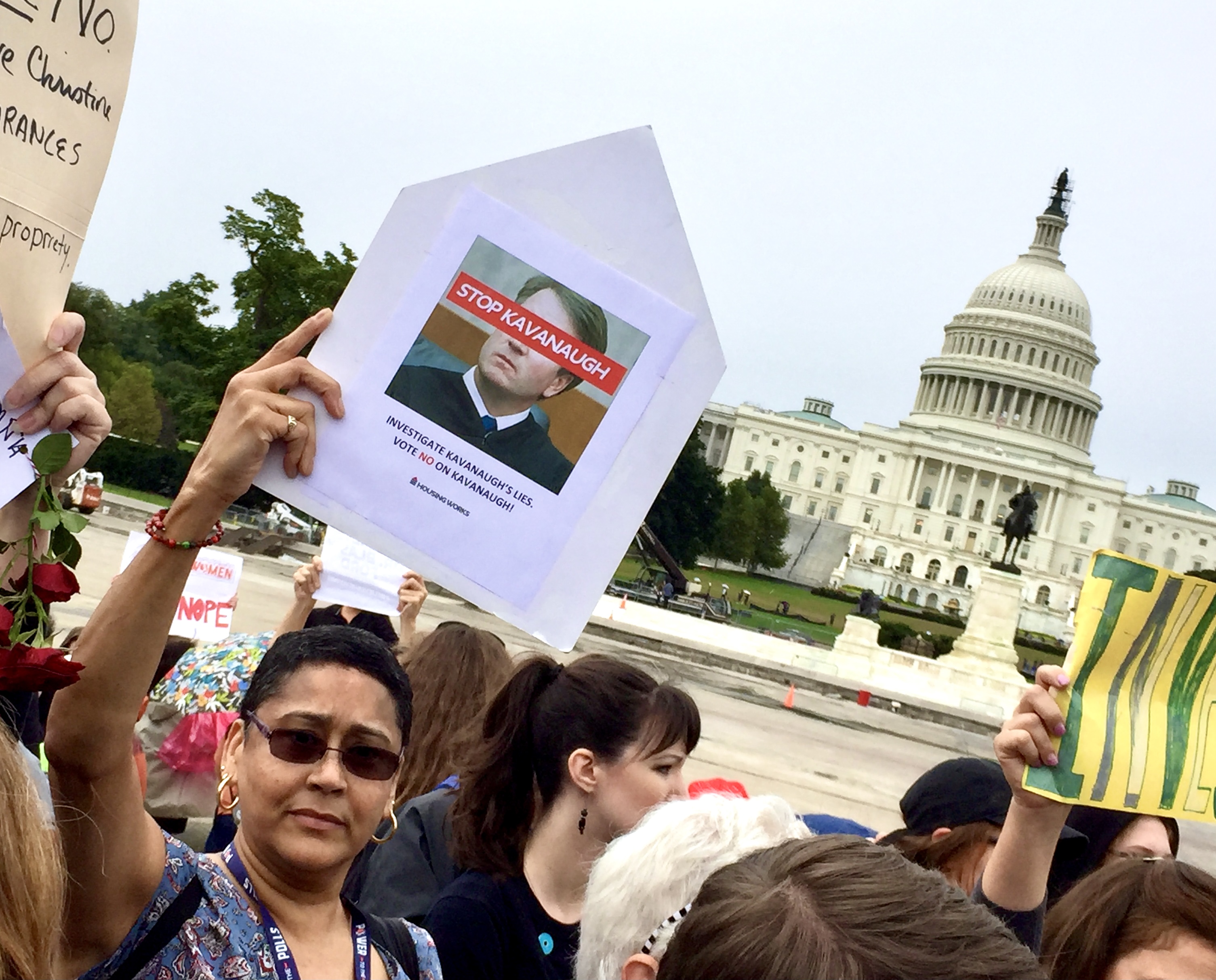
My friend and former colleague, incredible HIV advocate Valerie Reyes-Jimenez, in DC in Sept. 2018, during one of several protests against Brett Kavanaugh’s Supreme Court nomination

Year after year, decade after decade, audacity and compassion are how Housing Works shows up. During my five years working at Housing Works heading up the Advocacy Department’s initiatives, whatever social crisis came our way—from mounting annual “Get Out the Vote” campaigns, to supporting the Black Lives Matter movement, to bussing hundreds of New Yorkers to DC for The Women’s March, to protests on Capitol Hill to fight off repeated attempts to repeal the Affordable Care Act, to organizing non-violent civil disobedience actions in response to the nomination of Brett Kavanaugh to the Supreme Court—the approach was the same. (If you need a visual reminder of how Housing Works has embodied audacity in support of social justice for 30 years and counting, check out the timeline at the end of this post.)

Housing Works takes on the expected and the unexpected in equal measure.

When new, unanticipated challenges arise, Housing Works doesn’t say “or,” they say “and.”

THE BIRTHDAY PRESENT I WANT FROM YOU: To Say “And” Instead of “Or”

Housing Works has my deep, ongoing commitment not only because I believe their mission is comprised of one of the most critical social justice issues of the past half-century—but because I trust them to always be on the front lines, doing what needs to be done and then some—for ending AIDS and homelessness as well whatever other unexpected challenges and related causes arise. I know that whatever additional emergencies come our way, Housing Works will step up without hesitation and rise to the occasion to do what’s needed.

Me being goofy during NYC Pride, June 2022

I don’t have the mojo to expand or remake SCOTUS. I don’t have the immunology genius to cure AIDS or COVID. In lieu of that, I want to do as much as I can during my lifetime to stem that rough social-justice tide, even just a bit. A big part of that for me takes the form of deepening my existing commitments. 

In that spirit, I kicked off my own fundraising with a donation of $1,000. Only $49,000 to go!

Please donate todayDonations of all sizes fare welcome, but a gift of $250 or more is especially helpful. Some info on what your gift underwrites:

$250—Pays for 50 hygiene kits for homeless youth, with daily essentials like soap, deodorant, and a pill-sized tablet cloth that expands into a towel when you add water

$600—Covers the cost for 50 rapid HIV tests

$750—Feeds 375 homeless youth during evening drop-in hours at Housing Works’ East New York Health Center

$1,000—Provides 1 month of supportive housing for HIV-positive individuals

$1,500—Completely outfits 5 new single-unit apartments with household items

$2,500—Provides transportation for a week for HW’s mobile COVID teams

$3,500—Funds a bus and stipends to send 54 advocates to Albany

$5,000—Funds a bus and stipends to send 54 advocates to Washington, DC, and provides bail money for 10 advocates to take an arrest for civil disobedience

Thank you in advance for your time and support. I can’t do this without you. 

Yours in solidarity,

Mika

BRAKING AIDS® Ride 2021 & Some Sunflower Audacity

This spring, a friend emailed a photo of me, taken in September 2008 during my first BRAKING AIDS® Ride, that I had never seen before. In the months since, I have found myself returning to what it does and doesn’t reveal.

Me, during my first BRAKING AIDS® Ride, September 26, 2008

The first anomaly is that it doesn’t appear to be raining. The downpours during that 2008 ride from Gettysburg, PA, to Manhattan were near-constant all three days. Throughout the weekend, I recall only a handful of brief respites during which it wasn’t wet, and this photo must have been taken during one of them. All I remember of the moment itself was taking a break with two other first-time riders to drink in the vibrancy of that gorgeous field of sunflowers. While we were stopped, the ride photographer—who was probably psyched to be able to take some pictures that weren’t rain-soaked—urged us to go stand in that patch of floral sunshine with our bikes. I no longer recall if the photo was snapped on Day 1 or Day 2 of the ride; my instinct says the sunflowers were a Day 1 sighting. What I am certain of is that it was early enough in the ride that I hadn’t reached the halfway mark yet.

Beyond the setting and the weather, what strikes me about the image is that it exudes the joy and excitement I had doing this ride for the very first time. 

What’s not visible are all the expectations and fears I had going into the ride.

I was deeply invested in riding every single mile, all 300 of them—a goal I’d never attempted much less achieved at that point. Nothing in this photo reveals how scared and anxious part of me was of falling short of that desired milestone.

I was entirely uncertain I could raise $3,500, much less $10K, or $15K, or $20K. Quite simply, I had never asked for that kind of help—and so I was ignorant, both of my own tenacity and of the deep generosity and kindness of my family, friends, and colleagues.

I was also nervous about fitting into the ride family, worried that I’d feel alone. When I registered for the ride in April 2008, I didn’t know anyone. I’d met and trained with a handful of folks during the summer, but I knew we wouldn’t necessarily stick together throughout the actual ride itself. So I went in to the ride weekend excited—searching for and hopeful about a sense of connection and belonging—but I didn’t know how any of that would play out. 

None of that is apparent in the look on my face in this photo. Looking at it now, I seem to radiate an inner confidence and solidity. Those qualities may well have been burning deep beneath the surface, but if they were there, I wasn’t yet aware of it. I look grounded, and I know that isn’t how I was feeling at that point. I was open to what the road was going to bring, but uncertain about almost everything except my desire to attempt what felt impossible, even a little crazy.

This photo of me hollering my way up a hill is visually more in line with how I felt going into my first BRAKING AIDS® Ride.

Housing Works: 30 Years and Counting of Compassion, Healing & Audacity

Housing Works has been dedicated to doing audacious, necessary work that often feels impossible, even a little crazy, since its founding in 1990, providing lifesaving services to mostly poor, disenfranchised communities. In the early 1990s, that meant finding housing for homeless people with AIDS who had been cast to the margins by the rest of our society; it meant practicing harm reduction methods like needle exchange for drug users—then new and hugely controversial but now long proven to be one of the most effective HIV prevention interventions and indeed one of the most effective public health interventions, period.*

* (The proof is in the data: In 1993, at the height of the AIDS epidemic, 50% of the 15,000 new HIV infections experienced every year in NY State were transmitted via shared needles; by 2018, as a result of harm reduction programs, fewer than 70 new HIV infections—yes, 70; you read that correctly—were transmitted via shared needles annually across NY State.)

Since 2014, Housing Works has been leading the charge in the effort to end AIDS as an epidemic in New York State by 2020, with CEO Charles King appointed by Governor Cuomo to chair the Ending the Epidemic Task Force that drafted the state plan. New York State was the first jurisdiction to create an end-AIDS plan, and that bold vision has led dozens of other states and local government to follow suit.

As you all know, just a few months into 2020, the goal year, we were hit with a new, fatal, global pandemic and public health emergency. Housing Works did what it always does in a crisis: They sprang into thoughtful, intelligent, and immediate action to meet the needs of the most vulnerable who are always hit hardest. Rather than cutting back on their lifesaving AIDS, housing, and advocacy services, the organization both adapted existing programs to the new remote conditions—providing housing, healthcare, advocacy, case management, substance use treatment, legal assistance, and job training—and took on a leadership role in meeting the COVID-19 pandemic head on. A fuller summary of Housing Works’ COVID-19 initiatives, most of which are ongoing, can be found here, but highlights include:

  • supplying and distributing PPE to frontlines workers
  • opening COVID-19 homeless shelters
  • providing free COVID-19 testing and vaccination, including a mobile vaccination initiative at NYC HRA shelters
  • serving as a steering organization for NYC’s COVID-19 working group.

Perhaps one of their most important ongoing roles in the COVID-19 pandemic is the one Housing Works has always played in its relationship to government: as advocates and activists pushing our city and state to do more and do better for those at greatest risk, especially low-income people and the homeless.

For 30 years and counting, Housing Works has stepped up to face and solve whatever crisis comes their way.

That’s why I ride every year to support this important organization. This September will be my 13th BRAKING AIDS® Ride (12 rides as a rider, one as a volunteer crew member)—a one-day, in-person group event. Since that first ride in 2008, I’ve ridden tens of thousands of miles on the same blue bicycle I held overhead in that field of sunflowers, and I’ve shown up every year to do my part to create awareness and raise money—over $148,000 to date—to end AIDS and homelessness.

How You and I Can Help

In support of Housing Works’ ongoing dedication and audacity, between now and September, I remain committed to raising $20,000 to support their life-saving programs.

My personal wishes and goals for this year’s ride are similar to the ones I have more generally coming out of a year and a half of deeply fraught, uncertain pandemic living:

Please DONATE TODAY. Donations of all sizes are welcome, but a gift of $200 or more will go a long way toward reaching my $20,000 goal.

I want to enter it grounded in the spirit of self-renewal and self-compassion, with rejuvenated and deepened commitment, vitality, passion, excitement, joy, and above all, gratitude. I want my spirits to thrum with the bright audacity of field of sunflowers—so that my thoughts, feelings, and pursuits glow with some measure of that resolute vibrancy.

DONATE VIA MY FUNDRAISING PAGE: https://give.classy.org/mika2021

Me, joyful during BRAKING AIDS® Ride 2019, the last time the group ride event took place in person

Ways to make giving easier, to make your donation go further & to help me reach my $20K goal sooner:

  • PLEASE CHECK WITH YOUR HR DEPT. & SEE IF YOUR COMPANY WILL MATCH YOUR DONATION! If so, then check the “YES” bullet in the Company Matching section of the online donation form, and fill out the related information. You may be able to double or even triple your contribution! In 2020, over $3K of the $24,000+ I raised came from company matches, so I cannot underscore enough how much this helps.
  • Recurring Monthly Gift: On the donation page, once you select a gift amount, click on the “Donate Monthly” option to set up a recurring donation of any amount over your desired period of time. I prefer to donate this way because I can give more with much smaller hit coming from my wallet each month.
  • Cover Processing Costs: Each donation incurs a processing fee that’s 4% of your gift. When the overall fundraising goal is $20K, 4% adds up: If everyone who gives covers the processing fee, that’s an additional $800 that goes straight to work at Housing Works.
  • Please forward this information to EVERYONE. Spread the word to your friends, family & colleagues! Forward this email letter or share my donation link with your own networks on Facebook, Twitter, Instagram & other social media.

Thank you again for all of your support for this important cause. I couldn’t do any of this without you.

Please join me & Housing Works in the fight against AIDS by donating to Braking AIDS® Ride 2021 (Sept. 12)—Mika De Roo, Rider # 32.

Donation site: https://give.classy.org/mika2021

VIDEO—Taking the Way to Joy: After 12 Years, Why I Still Ride to End AIDS

I often get asked why I keep coming back to BRAKING AIDS® Ride and the cause and organization it supports. Most of the time, my answers take written form. This year, thanks to Black Watch, the video production company that’s been documenting the ride since its inception, I’m able to share some brief video footage from the road that gives a glimpse into what ending AIDS means to me.

DONATE TO SUPPORT ME for BRAKING AIDS® 2020

I don’t say it anywhere in the interview footage, but I’ve said elsewhere that the ride community, like Housing Works itself, embodies radical inclusion. Radical inclusion means accepting people as they are and standing for love that heals and for acts of kindness. Fortunately for me, that also means that those spaces and communities accept me as I am, however and wherever I am. I’ve shown up for the ride determined and confident. I’ve shown up terrified and exhausted. I’ve shown up elated to see my ride family together again. I’ve shown up lost, feeling like life has brought me to my knees, with no notion of what I might have to offer anyone else, much less a community or a cause. I’ve show up in joy and grief, heartbreak and euphoria. I’ve shown up juggling many of these contradictory feelings all at once.

Year after year, my BRAKING AIDS® family has shown me I can show up as I am, even mired in the doubts and dark-angel whispers of my weakest, most critical selves and still be accepted, loved, and useful. That openness in and of itself is a healing presence. The most important part is the showing up itself.

The same is true for Housing Works, which has been showing up for 30 years and counting to create hope for the most vulnerable among us, whether that’s through its long-standing, innovative HIV/AIDS and housing services to its recent Covid-19 emergency response efforts.

In this way, the ride and its community embody how prison abolitionist Mariame Kaba describes hope: She talks about hope as a practice, a discipline, a process rather than an external outcome, force, or destination. Hope is created from how we each choose to live and act every day.

The ride engenders that practice of hope for me. The collective spirit it creates and inspires enables me to “take the way to joy,” as my brilliant musician-songwriter-podcaster friend Sam Shaber says in the lyrics to the song playing in the video above.  I hope you’ll join me in supporting that journey.

Please DONATE TODAY.

Donations of all sizes are welcome, but a gift of $200 or more will go a long way toward reaching my $20,000 goal. 

De Roo1 REV

118042772_10224102180242512_9080644113985084544_o

From left to right: me, with friends Rodney Newby and Blake Strasser on a recent Saturday ride. Photo credit: Mikola De Roo.

Housing Works Covid-19 Emergency Response, BRAKING AIDS® Ride 2020 & Me: Your Help Needed

This isn’t going to be my usual, annual AIDS Ride fundraiser. A lot has changed since last September. For five months and counting, we’ve been in the midst of a raging global pandemic of a potentially lethal and highly contagious virus, the likes of which none of us has known during our lifetimes, and we’re experiencing the economic and community upheaval that goes with that. We’re also seeing a huge wave of nationwide and global demands for long overdue racial and social justice. To say that our world is facing ongoing volatility and uncertainty is putting it mildly.

2020: Not Your Typical AIDS Ride Year

In my 12 years of doing this ride, I’ve often written about the importance of showing up over the long term for the important causes and ideals we believe in. With so many challenges amidst so much chaos, it’s been hard to know what showing up means and requires in our present circumstances. Here’s what it means to me right now: Together, we can still take some actions that assuage some of those uncertainties and help address some of the existing societal inequities that Covid-19 has illuminated more widely, and I hope you’ll consider helping and supporting me in that endeavor.

Me, riding with my friend Brian Carroll on Day 1 of last year’s BRAKING AIDS® Ride. Photo by Alan Barnett.

Housing Works & the Covid-19 Crisis

Since 2008, I have participated in BRAKING AIDS® Ride in memory of Dennis and Curtis, two family friends who died of AIDS-related illness in 1987 and 2003, respectively, and for many close friends who live with HIV. In that time, donations from people like you enabled me to raise over $125,000 and counting to support services for those living with HIV as well as its efforts toward ending the AIDS epidemic once and for all.The life-saving HIV services and healing community that Housing Works has provided to the most vulnerable among us are still crucial, but because of the tremendous progress we have made toward ending New York State’s AIDS epidemic, that need is a little less dire than it once was.

What is urgent, as you likely know from the headlines you see every day, is supporting those hit hard by Covid-19, particularly in the most vulnerable communities among us. Many of those communities are the same poor, disenfranchised populations that Housing Works, BRAKING AIDS® Ride’s beneficiary, has been serving since its founding 30 years ago in 1990—those who are homeless or incarcerated, and those struggling with severe physical illness, mental illness, and/or addiction. As with HIV/AIDS, these communities have been particularly vulnerable to Covid-19.

As someone who worked at Housing Works for five years, I know firsthand that when a new crisis arises, no matter how daunting, time and again, the organization rises to the occasion to meet that challenge right away. After the devastating 2010 earthquake in Haiti, Housing Works responded with immediate emergency aid, helping rebuild three health clinics for those displaced by the natural disaster. Throughout 2017 and 2018, Housing Works galvanized an ongoing national movement of concerned citizens to descend on the Capitol to save the Affordable Care Act and oppose the many GOP attempts to repeal it and eviscerate affordable health care for all.

So I wasn’t surprised that as soon as Covid-19 shut down New York this past March, Housing Works sprang into action and became a crucial player in the city’s coronavirus response.In addition to their ongoing work as the largest community-based AIDS service organization in the country—providing housing, healthcare, case management, substance use treatment, legal assistance, and job training—since the beginning of the COVID-19 pandemic, Housing Works has opened two COVID-19 homeless shelters and partnered with a major NYC-based PPE supply operation to distribute PPE to frontline workers.

Those who are interested in more details about Housing Works’ innovative interventions can check out this post.

What’s most important to understand is this:

None of these endeavors was in the budget. But it is essential emergency response work that needs to be done. These remarkable Covid-19 emergency initiatives were launched in a matter of weeks, all while Housing Works has simultaneously faced a massive revenue deficit—estimated at $8 million by the end of June—as a result of the need to shut down its retail locations, which provide so much of their financial support, as well as the April cancellation of its largest annual fundraising event, and the suspension of a number of revenue-generating programs.

How You and I Can Help

The Covid-19 crisis isn’t going anywhere anytime soon, and no doubt Housing Works will continue to provide emergency services for our most vulnerable residents. Housing Works doesn’t hesitate to act and provide solutions when new problems arise, and we shouldn’t either.As of this writing, for safety reasons, the biking portion of this year’s BRAKING AIDS Ride will likely only span one day—a 62-mile, masked and physically distanced group ride beginning and ending in Manhattan. In the week leading up to the ride, I am also committed to doing two 100-mile (century) rides on my own while I’m in Cape Cod. More important, whatever the physical ride does or doesn’t look like, between now and September, I remain committed to raising $20,000 to support Housing Works. The graphic below highlights what your generous donation can help to fund right now.

Please DONATE TODAY. Donations of all sizes are welcome, but a gift of $200 or more will go a long way toward reaching my $20,000 goal. $200 provides two weeks’ worth of gowns for five residence managers; $250 pays for emergency food for 10 Housing Works shelter residents for a week.

DONATE VIA MY FUNDRAISING PAGE: https://give.classy.org/mika2020

Ways to make giving easier, to make your donation go further & to help me reach my $20K goal sooner: 

• PLEASE CHECK WITH YOUR HR DEPT. & SEE IF YOUR COMPANY WILL MATCH YOUR DONATION! If so, then check the “YES” bullet in the Company Matching section of the online donation form, and fill out the related information. You may be able to double or even triple your contribution! In 2019, nearly $5K of the $24,000+ I raised came from company matches, so I cannot underscore enough how much this helps. 

• Recurring Monthly Gift: On the donation page, once you select a gift amount, click on the “Donate Monthly” option to set up a recurring donation of any amount over your desired period of time.I prefer to donate this way because I can give more with much smaller hit coming from my wallet each month.

• Cover Processing Costs:  Each donation incurs a processing fee that’s 4% of your gift. When the overall fundraising goal is $20K, 4% adds up: If everyone who gives covers the processing fee, that’s an additional $800 that goes straight to work at Housing Works. 

Please forward this information to EVERYONE. Spread the word to your friends, family & colleagues! Forward this email letter or share my donation link with your own networks on Facebook, Twitter, Instagram & other social media.

Thank you in advance for your support for this important cause. I couldn’t do any of this without you.

Me, on the morning of Day 1, Braking AIDS® Ride 2020. Photo by Alan Barnett.

Please support me & Housing Works by donating to Braking AIDS® Ride 2020 (Sun., 9/13)—Mika De Roo, Rider # 32. DONATE: BRAKING AIDS® Ride 2020

On Hope, Uncertainty, and an AIDS-Free NY by 2020

In less than two months, once again, I’ll be participating in BRAKING AIDS® Ride, a 300-mile bike from Cooperstown to NYC. Between now and mid-September, I have two objectives: to get into some semblance of shape for the physical challenge of the ride and to raise $20,000 to support the amazing advocacy and services provided by Housing Works, the ride’s beneficiary.

Since my first year doing this ride in 2008, individual donations from people like you have been essential in helping me raise over $100,000 and counting to support life-saving services for those living with HIV as well as its efforts toward ending the AIDS epidemic once and for all. I’m counting on the support of hundreds of individual donors again this year to raise at least another $20,000 to end AIDS as an epidemic in New York by 2020.

Photo: Me on Day 1 of BRAKING AIDS® Ride 2018, by fellow rider Kyle Cameron. The photo later appeared as the Contents photo spread in the Nov./Dec. issue of Positively Aware magazine, which was pretty fabulous. 

As someone who worked at Housing Works for five years, I have seen firsthand how its programs and services make a concrete difference. Since its 1990 founding, Housing Works has provided services to more than 20,000 homeless and low-income New Yorkers living with HIV/AIDS. Unlike many HIV service providers, which tend to focus on one or two primary areas of service, Housing Works offers a startling array of programs that help address the overlapping, intersectional issues faced by its clients: In addition to housing, services include primary healthcare, meals, case management, nutrition, substance use treatment, legal assistance, and job training, as well as relentless advocacy at the city, state, and federal levels to fight for funding and legislation that will help us end AIDS once and for all. It also offers those services with respect and compassion, a context that is essential to healing but all too rare.

I began doing this ride in 2008 in memory of two family friends who died of AIDS-related illness in 1987 and 2003, respectively, and for many close friends who live with HIV. For BRAKING AIDS 2019, I am riding in memory of two friends who died this past year whose lives epitomize compassion and citizenry in the best senses of both words.

My friend Dawn Grimmett (1975–2019), a pediatric nurse who lived in Alabama, died unexpectedly this last April from complications from pneumonia. If we hadn’t both participated in AIDS rides, I might never have met Dawn—and I am lucky to have known her. Dawn was funny and kind. A giver of tremendous hugs and fierce loyalty. One had to pity anyone foolish enough to say a bad word about the people Dawn loved; as she herself put it, “I might look nice, but I’ll cut a bitch!” She also led by example: She was open and candid that she struggled with depression, which even today comes with so much stigma despite how common it is. Without fail, every year since 2004, Dawn traveled across the country to dedicate two weeks’ vacation to being a volunteer nurse on the crew for two different AIDS Rides—California AIDS LifeCycle in June and BRAKING AIDS® in September—dispensing Advil, Band-Aids, Gatorade, ice packs, sunscreen, and whatever medical care was needed, along with unconditional love, and just the right amount of snark. Her life, which ended all too soon, two months shy of her 44th birthday, is a testament to the power of showing up. Dawn reminds me that some of the most important and significant gifts to fellow human beings and contributions to a movement are comprised of mundane, ordinary, and often quiet acts of kindness. The impact of those acts are cumulative, and a commitment to those compassionate acts is the stuff that long-term change is made of.

Photo: This year, I will be riding in memory of my friend Dawn Grimmett (1975–2019), who was a volunteer nurse on every BRAKING AIDS® Ride I have ever done.

My friend Andy Vélez (1939–2019), a longtime LGBTQ and ACT UP New York activist, passed away on May 14 at age 80 after a severe fall in his Greenwich Village building earlier this spring. Andy joined ACT UP in 1987, the year of its founding, back when AIDS was a death sentence to so many, the downward spiral of the illness itself was ugly and painful, treatments were toxic and few, and our government leaders had been ignoring the burgeoning epidemic for six years. Andy was a devoted and fierce activist for 32 years, and his passion for and tenacity in undertaking righteous lifetime activism inspired and continues to inspire countless individuals, myself included. The friendship we developed during a relatively finite number of years of coalition activism together was and remains dear to me, and I miss his kindness, his delicious stories, his wicked and bawdy humor, and his authenticity. To read more about Andy’s remarkable life, check out the tribute that appeared in the Los Angeles Blade, as well as this piece in PLUS, “Why We Still Need HIV Warriors.”

Photo: This year, I will also be riding in memory of my friend Andy Vélez, a longtime LGBTQ & HIV/AIDS activist who passed away in May. In June, ACT UP New York created these buttons, featuring a portrait of Andy by Bill Bytsura of The AIDS Activist Project, in honor of Andy’s lifetime of fierce, relentless activism.

You don’t show up for 32 years of activism unless you have some faith and hope that what you’re doing will make a difference, whether you yourself are able to see that difference or not. Andy’s life is a reminder of that for me. It’s a reminder to heed what writer Rebecca Solnit says about hope:

“Hope locates itself in the premises that we don’t know what will happen and that in the spaciousness of uncertainty is room to act. When you recognize uncertainty, you recognize that you may be able to influence the outcomes — you alone or you in concert with a few dozen or several million others. Hope is an embrace of the unknown and the unknowable, an alternative to the certainty of both optimists and pessimists. Optimists think it will all be fine without our involvement; pessimists take the opposite position; both excuse themselves from acting. It’s the belief that what we do matters even though how and when it may matter, who and what it may impact, are not things we can know beforehand. We may not, in fact, know them afterward either, but they matter all the same, and history is full of people whose influence was most powerful after they were gone.” [emphasis mine]

I’m not usually good with uncertainty. In fact, I struggle with it. All the time. But BRAKING AIDS® and the example of people like Dawn and Andy challenge me to challenge myself to find that “spaciousness” Solnit describes.

When asked what he wanted to be remembered for, Andy once said, “As someone who is able to help.” I’m riding again this year because I am able to, and in that same spirit, I am asking for your help to support my efforts. Together, we can end AIDS.

Please DONATE TODAY. Donations of all sizes are welcome, but a gift of $200 or more will go a long way toward reaching my $20,000 goal. A $200 gift feeds 100 homeless youths at Housing Works’ East New York Health Center.   

DONATE VIA MY FUNDRAISING PAGE: https://give.classy.org/mika2019 

Photo: Me, wearing the Japanese ACT UP “Silence + Death” tee-shirt that Andy Vélez gave me several years ago as a gift, with my wife Jennifer at the Dyke March for NYC Pride 2019, which was also the 50th anniversary of the Stonewall riots.